Honey
Honey is the main souce of fermentable sugars in mead.
Because of this that is important that you use a high quality, minimally processed honey.
The type of blossom that the honey is made from also plays a large role in the final product.
Yeast
Yeast plays a large role in the creating of mead, there are many different strains that produce many different outcomes.
Most brewers usually stick to one strain of yeast, as changing strains can create either different flavours, or different issues.
One of the biggest issues changing strains can cause is a stuck ferment, due the the yeast prefering different conditions, and dying off before ferment is complete.
Some of the most popular and hardy yeasts are as follows:
- - Lalvin 71B-1122
- Alcohol Tolerance: 14%
- Temperature Range: 15-30°C. Ferment in the low 60s to low 70s.
- Low nutrient requirements.
- - Red Star Pasteur Blanc (Previously known as "Pasteur Champagne")
- Alcohol Tolerance: 13-15%
- Temperature Range: 15-30°C. Ferment in the low 60s to low 70s.
- Very clean fermenter.
- - Lalvin EC-1118
- Alcohol Tolerance: 18+%
- Temperature Range: 15-30°C. Ferment in the low 60s to low 70s.
- Very aggressive.
Fruits
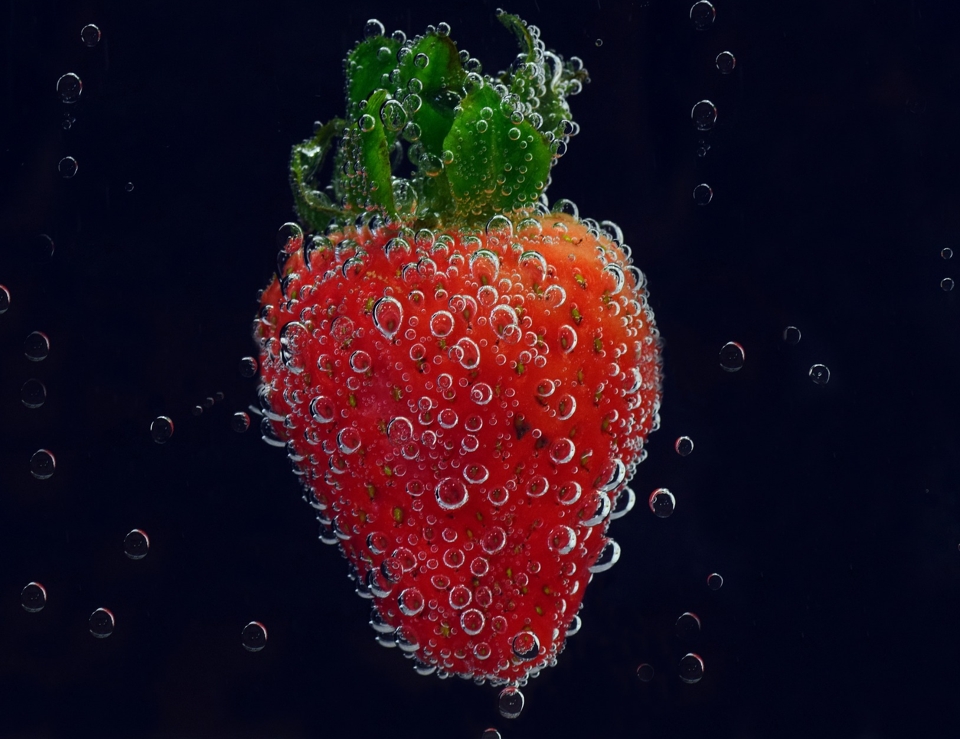
Adding fruits to mead is very popular to add a depth of flavour and interest to the beverage.
Just like the honey, it is important that you you high quality fruit, free from pests and disease, as this will compromise the taste, smell and texture of the mead.
Whether or not you cut, crush, puree, stew or add the fruit whole also plays a massive part in how the fruit presents in the beverage.
It is also extremely important that you wash your fruit prior to use, to wash away any pesticides present on the fruit, as they are not good for you, or the ferment.
Cleaning
Cleaning your brewing equipment prior to use is very important, so that there are no organisms present during brewing that might impact or taint the mead.
Not cleaning your gear can cause anything as benign as some off flavours, to something as serious as botulinum toxin, which is the most toxic toxin there is!
Fermentation
Fermentation is arguably the most important part of mead making, this is what converts the sugars present in the honey and fruits into carbon dioxide, ethyl alcohol and other, yummy byproduts such as esters.
For fermentation to go smoothly and produce delicious outcomes, many diferent factors must all line up in a fairly narrow range.
Some of these factors are: The amount of sugar present in the mixture, the level of oxygen, the level of nutrients, temperature, and the pH.
If any of these factors are out of spec, either the ferment will not happen, or it will produce some yucky off flavours.
Aging
The final step in producing a yummy mead is that aging process, mead benefits from aging just as wine does!
Mead can taste extremely alcohlic just after ferment, so it is important that it is given time to settle as it ages.